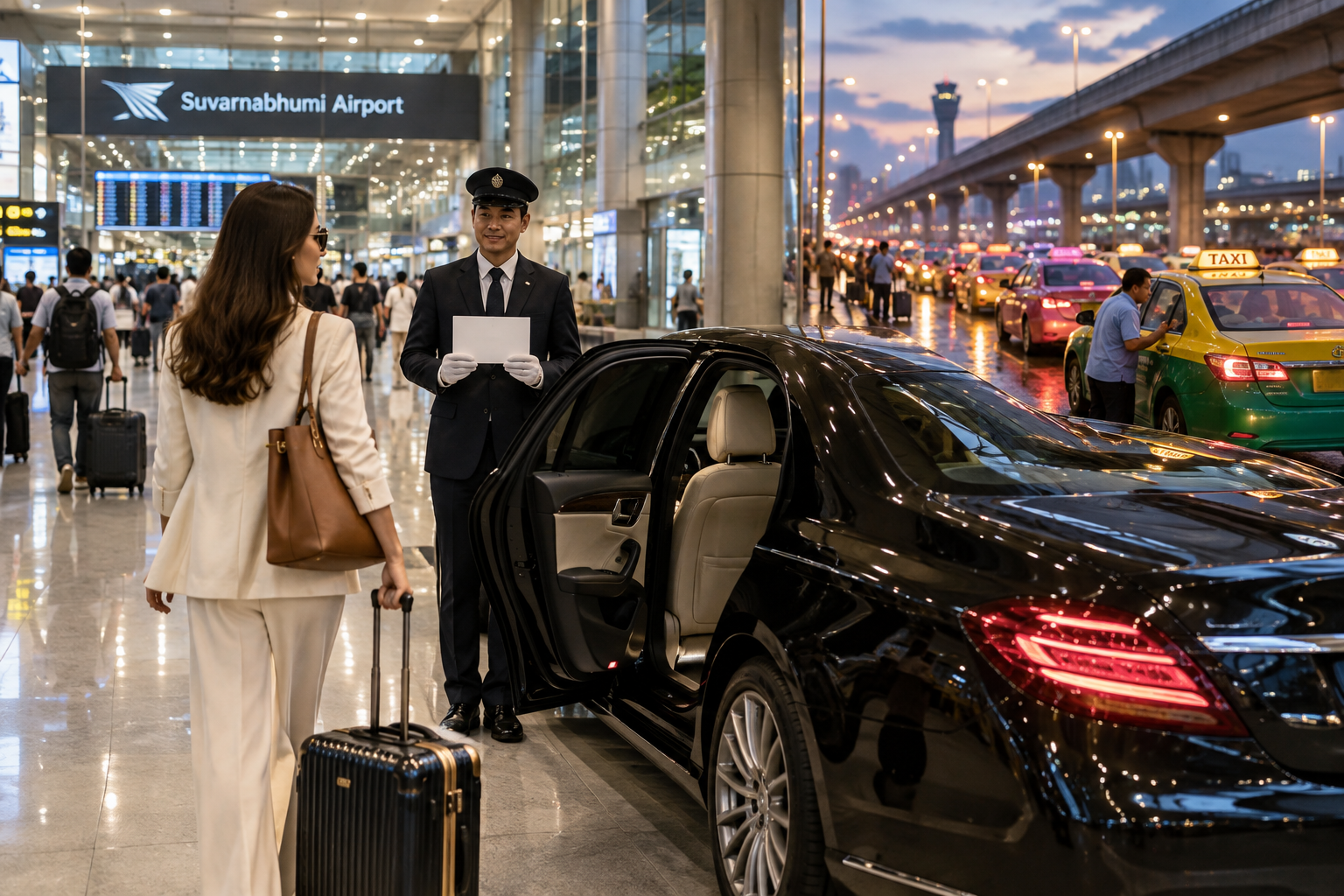
Thailand is one of the most popular destinations in Asia for holidays, family trips, remote work, conferences, and fast-moving business travel. In major cities and tourist hubs, app-based ride services have become a practical part of daily transportation. For many travelers, one of the biggest questions is whether Bolt is a safe and reliable option when moving between airports, hotels, shopping districts, beaches, and business meetings.
The short answer is that Bolt can be a useful transport choice in Thailand, but the real answer depends on where you are, what time you are traveling, who is traveling with you, and how carefully you use the app. Families with children, solo tourists, and business travelers often have different priorities, so it helps to look at safety, reliability, pricing, driver quality, local conditions, and backup plans in detail.
What Matters Most When Choosing a Ride Service in Thailand
Before judging any ride-hailing platform, it is important to understand what travelers actually need from local transport in Thailand. Safety is usually the first concern, but reliability is just as important. A ride can be affordable and still be a poor choice if drivers cancel often, pickup points are confusing, or service becomes limited during rain, late hours, or high demand periods.
For families, the main concerns usually include vehicle cleanliness, enough space for luggage or strollers, ease of pickup at airports or malls, and whether the trip feels calm and predictable for children or older relatives. Tourists often focus on cost, convenience, navigation help, and avoiding transport misunderstandings in an unfamiliar place. Business travelers generally care most about punctuality, route efficiency, digital receipts, and the ability to move quickly between hotels, offices, trade events, and transport hubs.
In Thailand, these concerns are shaped by local realities. Traffic in Bangkok can be intense. Pickup areas at airports and large malls can be crowded. Weather can shift quickly, especially during rainy season. Tourist hotspots can have surge periods where ride availability changes from one hour to the next. This means any assessment of Bolt should be practical rather than theoretical.
How Bolt Works in Thailand and Why People Use It
Bolt is used in many markets because it offers app-based booking, fare visibility before or during the ride request process, cashless options in some cases, ride tracking, and a more structured experience than trying to negotiate transport on the street. In Thailand, these features appeal to travelers who want a smoother alternative to spontaneous transport decisions.
The app typically allows users to enter a destination, review ride options, and wait for a driver match. This can reduce language friction because the destination is already entered in the system. That is particularly helpful in places where pronunciation differences or address formatting might otherwise create confusion.
Another reason travelers consider Bolt is price. In many markets, the platform is known for competitive fares. That can be attractive for budget-conscious tourists and even more helpful for families taking multiple rides per day. Business travelers may also appreciate lower costs for short urban trips, though cost savings matter less if a service is inconsistent when timing is critical.
Still, ease of use does not automatically mean perfect reliability. The app experience can be smooth while local driver supply and pickup logistics vary by neighborhood or time of day. That is why it is important to evaluate the service from a traveler’s real-world perspective.
Is Bolt Generally Safe in Thailand?
For most routine daytime urban travel, Bolt can be considered reasonably safe when used carefully and with the same common-sense precautions travelers should apply to any ride service. App-based ride platforms offer some built-in safety advantages over unstructured street pickups. These can include driver identification, visible vehicle details, route tracking, trip records, and in-app communication.
That said, no transport option is risk-free. Safety depends on both the platform’s systems and the user’s behavior. Travelers should always verify that the license plate, vehicle model, and driver details match the app before entering the car. If anything feels off, it is better to cancel than to proceed. This is especially true late at night, after long flights, or when children or elderly family members are involved.
Thailand is generally accustomed to tourism, but roads can be busy and driving styles may feel more assertive than in some Western countries. Even if the driver is legitimate and the app functions well, road safety conditions can still differ from what visitors are used to. Travelers who want a broader understanding of road risk can review road traffic injuries information from the World Health Organization. This context matters because transport safety is not only about the company, but also about traffic patterns, road design, weather, and local driving behavior.
In practical terms, Bolt is often safe enough for ordinary city rides when users stay alert, choose well-lit pickup points, and share trip details with a companion when appropriate. It is not something to use carelessly, but it is also not inherently unsuitable for travelers.
Safety Considerations for Families Traveling With Children
Families need to assess Bolt differently from solo adults. A ride that feels acceptable for one person with a backpack may not be a good fit for two parents, a toddler, luggage, and a stroller. The first issue is space. Not every vehicle category will comfortably fit a family group with bags, and cramped conditions can turn a short ride into a stressful one.
Parents should check the available ride type carefully and avoid choosing the cheapest option by default if more space is needed. If traveling with young children, think ahead about child seating. Availability of child seats may be limited or inconsistent depending on the city and driver. If a proper child restraint is important for your family’s standards, do not assume it will be available unless explicitly confirmed. Guidance on child passenger safety from sources such as the CDC child passenger safety recommendations can help families decide how strict they want to be about ride choices abroad.
Another family concern is pickup safety. Busy curbs at airports, train stations, and shopping centers can be chaotic. Parents should keep children close, stand away from moving traffic, and confirm the car before approaching it. It is often better to wait a few extra minutes in a clearly marked pickup zone than to rush into confusion.
Families may also value driver demeanor more than other travelers do. A calm, patient driver who follows the route smoothly can make a major difference when children are tired or overstimulated. If your family is arriving after a long international flight, consider whether a pre-booked hotel transfer might be better for the first trip, with Bolt used later once everyone is rested and oriented.
For families staying in Bangkok, Chiang Mai, Pattaya, Phuket, or other major destinations, Bolt can work well for daytime outings, restaurant trips, and mall visits. It tends to be less ideal when your group has specialized needs such as multiple car seats, oversized luggage, or a requirement for a very large vehicle on short notice.
How Reliable Is Bolt for Tourists Exploring Thailand?
For tourists, reliability often means two things: can you get a ride when you need one, and will the trip unfold without unnecessary hassle? In many urban and tourist-heavy areas, Bolt can be reliable enough for regular use, especially during normal daytime and evening periods. Short city trips, rides between attractions, and transfers from hotels to transport hubs are often where the app is most useful.
However, tourist reliability depends heavily on location. In central Bangkok, service availability may be much better than in outer districts. In island or beach destinations, supply may be thinner and wait times longer. During heavy rain, nightlife closing hours, festivals, or holiday peaks, cancellations and delays may increase.
Tourists should also understand that map pins are not always perfect. A pickup point that looks simple on the screen might place the driver on the opposite side of a busy road, inside a restricted hotel driveway, or near a mall entrance with several levels. This is not unique to Bolt, but it affects perceived reliability. A service feels unreliable when the real issue is a confusing pickup environment.
To improve outcomes, tourists should use precise pickup notes, stand somewhere visible, and message the driver politely if needed. Hotels can also help. If you are leaving from a hotel, ask staff for the easiest pickup point to enter in the app. This small step often saves time and reduces cancellations.
For sightseeing days with fixed plans, some travelers prefer to request rides a little earlier than necessary rather than exactly at departure time. That buffer matters in Thailand’s traffic conditions. If you have a boat departure, train, domestic flight, or timed attraction entry, do not leave your ride booking to the last possible minute.
Is Bolt Dependable for Business Travelers on Tight Schedules?
Business travelers evaluate ride services with less tolerance for uncertainty. Saving money is helpful, but not if a delayed pickup causes a missed meeting or a late arrival at a conference venue. In that sense, Bolt can be dependable for many routine urban trips in Thailand, but it should not be the only transport strategy when the timing is mission critical.
For airport to hotel transfers, Bolt may work well if you have enough time and understand the designated pickup process. For hotel to office or hotel to restaurant trips, it can be a convenient option with digital trip records and app-based navigation. For business dinners, event venues, and coworking spaces, it is often practical and straightforward.
Where business travelers should be more cautious is with early-morning airport runs, peak-hour cross-city journeys in Bangkok, and rides to unfamiliar industrial or suburban locations. Driver availability can vary, and traffic can expand a short trip into a long one. If your schedule has no room for error, ask the hotel concierge for a backup taxi arrangement or private car option.
Another point in Bolt’s favor for business users is trip traceability. App-based ride records can help with expense reporting. Even if a traveler chooses a different service occasionally, having the route and fare documented in the app is useful. Still, travelers should check whether their preferred payment method works smoothly in Thailand and whether receipts meet company reimbursement standards.
In short, Bolt can be part of a business traveler’s toolkit, but not the sole plan for high-stakes timing.
Driver Quality, Vehicle Condition, and On-the-Ground Experience
One of the biggest variables in any ride-hailing service is the driver. Some Bolt rides may feel excellent, with a courteous driver, clean vehicle, efficient route, and easy communication. Others may be more average, with limited English, a basic vehicle, or slight confusion at pickup. This range does not necessarily make the service unsafe, but it does affect confidence and consistency.
Vehicle quality can differ from one ride to another. Travelers should not assume every car will meet the same standard. If cleanliness, air conditioning, or luggage space matter to you, build in some flexibility. A family heading to the airport with several suitcases should not gamble on the smallest category. A business traveler in formal attire may prefer a more comfortable option, especially in hot weather.
Ratings and reviews inside the app can help, though they are not perfect predictors. A high-rated driver is generally a positive sign, but travelers should still verify details and trust their judgment. If a vehicle appears poorly maintained or the driver behaves in a way that raises concern, cancel and request another ride if possible.
Communication also matters. Many drivers can manage practical trip communication even if their English is limited, especially because the destination is already entered. Still, some misunderstandings can happen around alternate entrances, toll roads, or exact drop-off points. Keeping your hotel name and destination details visible on your phone can help.
Common Reliability Issues Travelers May Encounter
Even when Bolt is functioning normally, there are a few recurring issues travelers should expect and manage. The first is driver cancellation. This can happen if the pickup is inconvenient, traffic is severe, or the driver decides the trip is not worthwhile. It is frustrating, but not unusual in busy ride-hailing markets.
The second issue is pickup confusion. Large malls, airports, nightlife streets, and resort entrances can be difficult for both drivers and passengers. A pin dropped in the wrong place can make a service seem worse than it is. Always double-check your map location before confirming the ride.
The third issue is surge-like demand pressure during bad weather or peak periods. If it starts raining heavily in Bangkok, many people may request rides at once. Wait times may rise and availability may dip. Tourists who rely entirely on one app during these moments can end up stranded longer than expected.
The fourth issue is route mismatch. Sometimes a driver may follow the app closely even if a local shortcut exists, while in other cases the route may change due to traffic. This is not always a red flag, but passengers should monitor the route and ask polite questions if something seems unusual.
Finally, there is the issue of limited service in certain areas. Travelers outside major urban centers may find fewer cars and longer waits. In some destinations, local transport options such as hotel cars, licensed taxis, or arranged transfers may be more dependable than app-based rides.
Practical Tips to Use Bolt Safely and Smoothly in Thailand
Before You Request a Ride
Make sure your phone has enough battery and mobile data. Save your hotel address in both English and, if possible, local script from a booking confirmation or map listing. If you are arriving at an airport, check the official airport guidance on pickup areas and do not assume the app pin alone is enough.
At Pickup
Wait in a visible, safe, well-lit place. Verify the license plate, car model, and driver name. Do not get into a vehicle that does not match the app. Keep children close and luggage within sight while waiting.
During the Trip
Wear seat belts whenever available. Follow the route on your phone. If traveling alone at night, consider sharing trip details with someone you trust. Avoid displaying large amounts of cash or expensive items unnecessarily.
At Drop-Off
Check that you have all phones, passports, bags, and shopping items before leaving the car. This sounds obvious, but rushed airport or hotel arrivals are when important items are most often left behind.
For Payment and Records
Review the fare and keep digital receipts if needed. Business travelers should confirm expense documentation right after the ride rather than waiting until the end of the trip.
When Bolt Is a Good Choice and When It Is Not
Bolt is a good choice in Thailand when you are in a major city or active tourist area, need a straightforward point-to-point ride, want app-based convenience, and have some flexibility in timing. It is especially useful for daytime city travel, casual evening outings, hotel to mall trips, and many ordinary airport or train station transfers.
It is less ideal when your situation requires guaranteed timing, specialized child seating, large-group transport, premium consistency, or service in low-coverage areas. In those cases, alternatives such as hotel-arranged cars, licensed airport transport, or pre-booked private transfers may be the better option.
For many travelers, the smartest approach is not choosing one transport method for everything. Instead, use Bolt selectively. It can be your go-to option for regular urban rides, while you reserve more structured transport for airport departures, family-heavy logistics, or important business appointments.
How Families, Tourists, and Business Travelers Should Decide
Families
If you are traveling with children, Bolt can be a practical option for simple daytime rides in cities, provided you choose the right vehicle size and remain realistic about child seating and luggage space. Use it for restaurant trips and mall visits once you are settled. For airport arrivals with tired kids and lots of bags, a pre-booked private transfer is usually smoother.
Tourists
Tourists will find Bolt useful for exploring cities, moving between attractions, and avoiding street taxi negotiations. Build in time buffers for traffic and rain. Always confirm pickup points carefully and have a backup plan such as a hotel taxi or Grab if Bolt wait times stretch.
Business Travelers
Business travelers can use Bolt for routine urban trips where a few minutes of delay is acceptable. For critical meetings, early airport departures, or unfamiliar locations, pair it with a reliable private car service. Digital records help with expenses, but reliability comes first.
Final Thoughts: Bolt as One Tool, Not the Only One
Bolt can be a safe and reasonably reliable option for many travelers in Thailand when used with common-sense precautions. It offers convenience, tracking, and competitive pricing that street hailing often lacks. However, it is not perfect for every situation—especially family groups with special needs, time-critical business travel, or low-supply areas.
The best strategy is to treat Bolt as one useful tool among several. For airport transfers, large groups, or guaranteed timing, private limo and van services remain the more predictable choice. For everyday city rides, Bolt can work well if you verify the car, stay alert, and have a backup plan. For most travelers, that balanced approach will deliver the best experience.